
How Does Ongoing Inflammation Impact Long-Term Health?
Ongoing inflammation impacts long-term health by disrupting metabolic function, damaging blood vessels, altering immune signaling, and increasing the risk of chronic conditions such as cardiovascular disease, diabetes, and autoimmune disorders. Even low-grade inflammation, when persistent, can accelerate biological aging and reduce overall resilience.
.png)
What Is Chronic Inflammation?
Inflammation is a normal and necessary process that helps the body respond to injury or infection. In its acute form, it is protective and temporary.
Chronic inflammation, however, is different. It is a low-grade, ongoing activation of the immune system that may persist for months or years. Unlike acute inflammation, it often develops without obvious symptoms and can affect multiple systems simultaneously.
Because it is subtle and systemic, chronic inflammation may go unnoticed until it contributes to more significant health issues.
How Inflammation Affects the Body Over Time
Persistent inflammatory signaling can influence several key biological processes:
Metabolic Function
Inflammation can interfere with insulin signaling, contributing to insulin resistance and impaired blood sugar regulation. Over time, this may increase the risk of metabolic syndrome and type 2 diabetes.
Cardiovascular Health
Inflammation plays a central role in the development of atherosclerosis. It can contribute to plaque formation within blood vessels, increase vascular stiffness, and elevate cardiovascular risk.
Immune System Balance
Chronic inflammation can dysregulate immune responses, potentially increasing susceptibility to infections or contributing to autoimmune conditions where the immune system targets healthy tissue.
Cellular Aging
Inflammatory processes can increase oxidative stress and impair cellular repair mechanisms. This may accelerate biological aging and reduce the body’s ability to recover from physical or environmental stressors.
Why Chronic Inflammation Often Goes Unnoticed
Unlike acute inflammation, which presents with clear signs such as pain, redness, or swelling, chronic inflammation is often subtle.
Individuals may experience:
- Persistent fatigue
- Brain fog or reduced concentration
- Joint stiffness or mild discomfort
- Gradual changes in metabolic health
Because these symptoms are nonspecific, they are often attributed to lifestyle or aging rather than underlying inflammatory processes.
Common Drivers of Ongoing Inflammation
Chronic inflammation is rarely caused by a single factor. It often reflects the cumulative effect of multiple influences, including:
- Poor metabolic health and insulin resistance
- Diets high in ultra-processed foods
- Chronic stress and disrupted cortisol patterns
- Sleep deprivation or poor sleep quality
- Sedentary lifestyle
- Environmental exposures or toxins
Addressing these underlying drivers is often more effective than focusing on inflammation alone.
A Preventive Approach to Inflammation and Longevity
Reducing chronic inflammation is a key component of long-term health and disease prevention.
A systems-based approach focuses on:
- improving metabolic health and blood sugar regulation
- supporting restorative sleep
- managing stress and nervous system balance
- maintaining regular physical activity
- optimizing nutrition patterns
Because inflammation is closely linked to many chronic diseases, addressing it early can help support healthier aging and improve overall resilience.
— Dr. Singh
Disclaimer:
This blog is for educational purposes only and is not intended as medical advice, diagnosis, or treatment. Functional Medicine is a complementary approach designed to support overall health and wellness and should not replace traditional medical care. The strategies and recommendations discussed in this blog may not align with standard care practices and are not universally appropriate. Always consult with a licensed healthcare provider before making any changes to your health plan or treatment regimen. Individual results may vary. The Functional MDs emphasizes the importance of collaboration with your primary healthcare provider to ensure a safe, integrative approach to your health journey.
Author sugestions
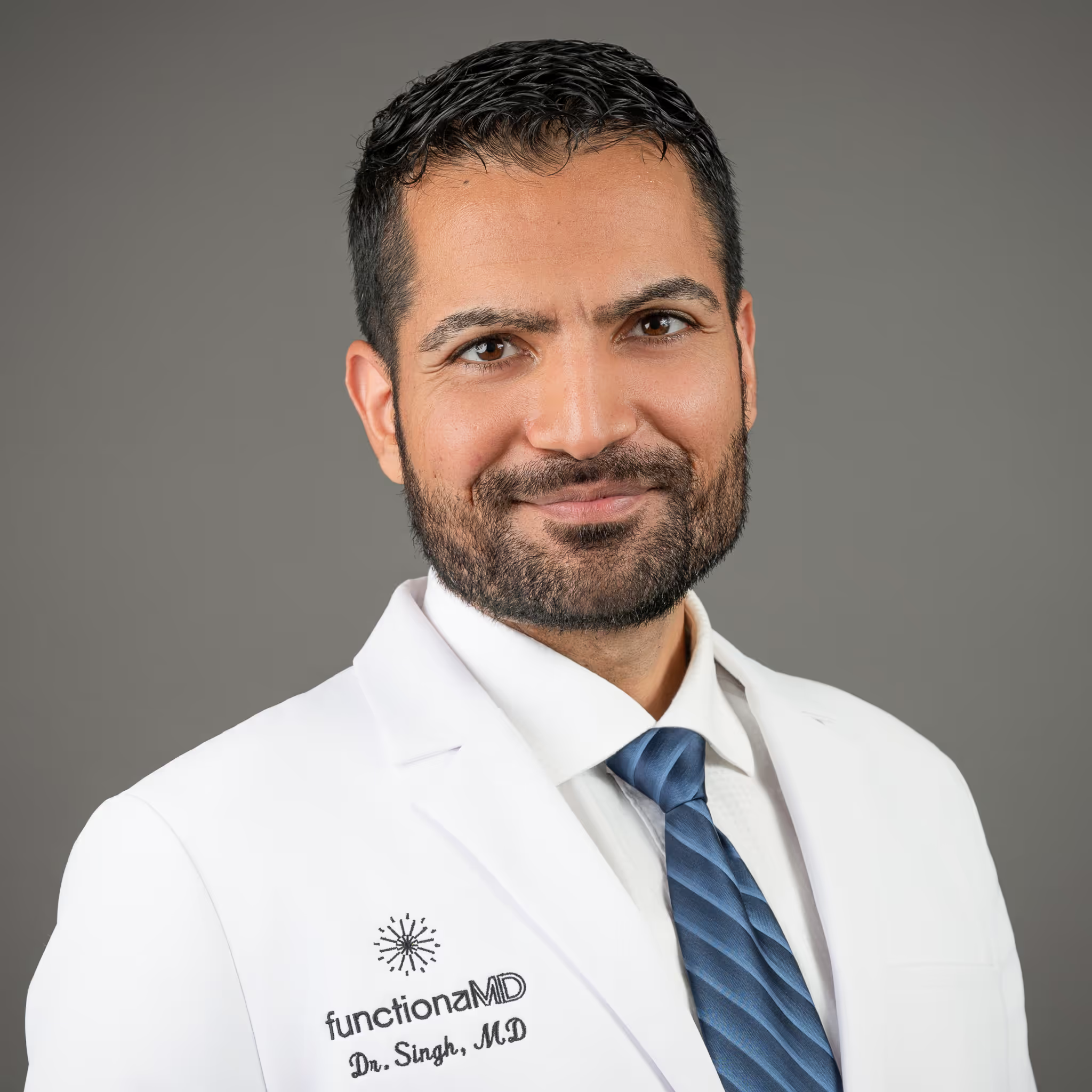
About Dr Singh, MD
Dr. Simranjit Singh, MD, FACP, DABOM, IFM-CP, is a board-certified physician in Internal Medicine and Obesity Medicine and Founder of The Functional MDs Clinic in Carmel, Indiana. He has authored more than 30 peer-reviewed publications and internationally recognized clinical guidelines. Through Ask Dr. Singh, he provides science-grounded, root-cause insights to help patients better understand and improve their health.
About Dr Singh, MDThe Functional MDs
The contents of this website, such as text, graphics, images, and other material contained on this website (“Content”) are for informational purposes only. The Content is not intended to be a substitute for professional medical advice, diagnosis, or treatment. Always seek the advice of your physician or other qualified health provider with any questions you may have regarding a medical condition. Never disregard professional medical advice or delay in seeking it because of something you have read on this website. Health-related information changes frequently and, therefore, the Content on this website may be outdated, incomplete or incorrect. We do not assume any liability for the information contained or referenced within this website and make no warranties, nor express or implied representations whatsoever regarding the accuracy, completeness, timeliness, or usefulness of any information contained or referenced in this website. Results vary from patient to patient. No prescriptions or treatments will be given unless a clinical need exists based on an examination by the physician. Any review or other material that could be regarded as a testimonial or endorsement does not constitute a guarantee, warranty, or prediction regarding the outcome of any consultation. The testimonials on this website represent the anecdotal experience of individual consumers. Use of this website is subject to our Terms & Conditions and Privacy Policy.
© 2026 The Functional MDs Clinic. All rights reserved.