
What Drives Changes in Heart Health as We Age, and How Can It Be Supported?
Heart health changes with age due to shifts in metabolism, vascular function, inflammation, and long-term lifestyle patterns. While some changes are natural, many cardiovascular risk factors remain modifiable through physical activity, nutrition, sleep, and preventive care.

What Happens to the Cardiovascular System With Age?
The cardiovascular system gradually adapts as the body ages. These changes occur across multiple biological systems and can influence how efficiently the heart and blood vessels function.
Common age-related cardiovascular changes include:
- Reduced elasticity of blood vessels
- Gradual stiffening of arterial walls
- Changes in autonomic nervous system balance
- Altered lipid metabolism
- Reduced mitochondrial efficiency within heart and vascular tissue
These changes do not occur uniformly in every individual. Lifestyle patterns, metabolic health, and inflammatory burden often determine how significantly cardiovascular function shifts over time. Preventive strategies within Cardiometabolic Health programs often focus on identifying these risk factors early.
Preventive strategies aim to slow or reduce the impact of these changes.
Metabolic Health and Cardiovascular Risk
Metabolic function plays one of the largest roles in long-term heart health.
When metabolic regulation becomes impaired, several processes can affect cardiovascular risk:
- Insulin resistance and elevated blood sugar
- Increased triglycerides and altered cholesterol balance
- Visceral fat accumulation
- Chronic low-grade inflammation
These metabolic changes can influence vascular function, endothelial health, and plaque development over time.
Improving metabolic regulation through physical activity, nutrition patterns, and weight management often supports healthier cardiovascular outcomes.
Vascular Inflammation and Endothelial Function
The endothelium is the thin layer of cells that lines blood vessels and helps regulate circulation, blood pressure, and vascular tone.
Over time, inflammatory signaling, oxidative stress, and metabolic dysfunction can impair endothelial function. When this occurs, blood vessels may become less responsive to normal regulatory signals.
Endothelial dysfunction is associated with:
- Reduced nitric oxide signaling
- Increased vascular stiffness
- Higher blood pressure
- Greater cardiovascular risk
Supporting vascular health often involves addressing inflammation, metabolic balance, and lifestyle factors that influence endothelial biology.
Lifestyle Factors That Influence Heart Health Over Time
Long-term cardiovascular health is strongly influenced by cumulative lifestyle patterns. Several factors consistently shape how the heart and vascular system age.
Key contributors include:
- Physical activity levels: Regular movement supports vascular flexibility and metabolic health
- Nutrition patterns: Diets emphasizing whole foods, fiber, and balanced macronutrients support cardiometabolic regulation
- Sleep quality: Sleep influences blood pressure regulation, metabolic function, and inflammatory signaling
- Stress exposure: Chronic stress can affect blood pressure, cortisol patterns, and cardiovascular strain
- Body composition: Visceral fat and reduced muscle mass are linked to metabolic and cardiovascular risk
- Hormonal balance: Hormones such as estrogen, testosterone, thyroid hormones, and cortisol influence metabolism and vascular regulation. In some individuals, these patterns may be evaluated through Hormone Optimization Therapy.
Small, consistent improvements in these areas can meaningfully influence long-term cardiovascular health.
A Preventive Approach to Cardiovascular Aging
Cardiovascular disease rarely develops suddenly. In most cases, it reflects decades of gradual physiologic changes influenced by metabolism, inflammation, and lifestyle.
Preventive cardiovascular care focuses on identifying early markers of risk and supporting the systems that regulate metabolic and vascular health. This approach aligns closely with Longevity & Healthy Aging strategies that aim to preserve long-term physiologic resilience.
This approach often includes:
- Monitoring cardiometabolic biomarkers
- Supporting metabolic resilience through physical activity and nutrition
- Addressing sleep and stress regulation
- Evaluating vascular risk factors before symptoms develop
By supporting these systems early, individuals can often maintain healthier cardiovascular function throughout the aging process.
— Dr. Singh
Disclaimer:
This blog is for educational purposes only and is not intended as medical advice, diagnosis, or treatment. Functional Medicine is a complementary approach designed to support overall health and wellness and should not replace traditional medical care. The strategies and recommendations discussed in this blog may not align with standard care practices and are not universally appropriate. Always consult with a licensed healthcare provider before making any changes to your health plan or treatment regimen. Individual results may vary. The Functional MDs emphasizes the importance of collaboration with your primary healthcare provider to ensure a safe, integrative approach to your health journey.
Author sugestions
About Dr Singh, MD
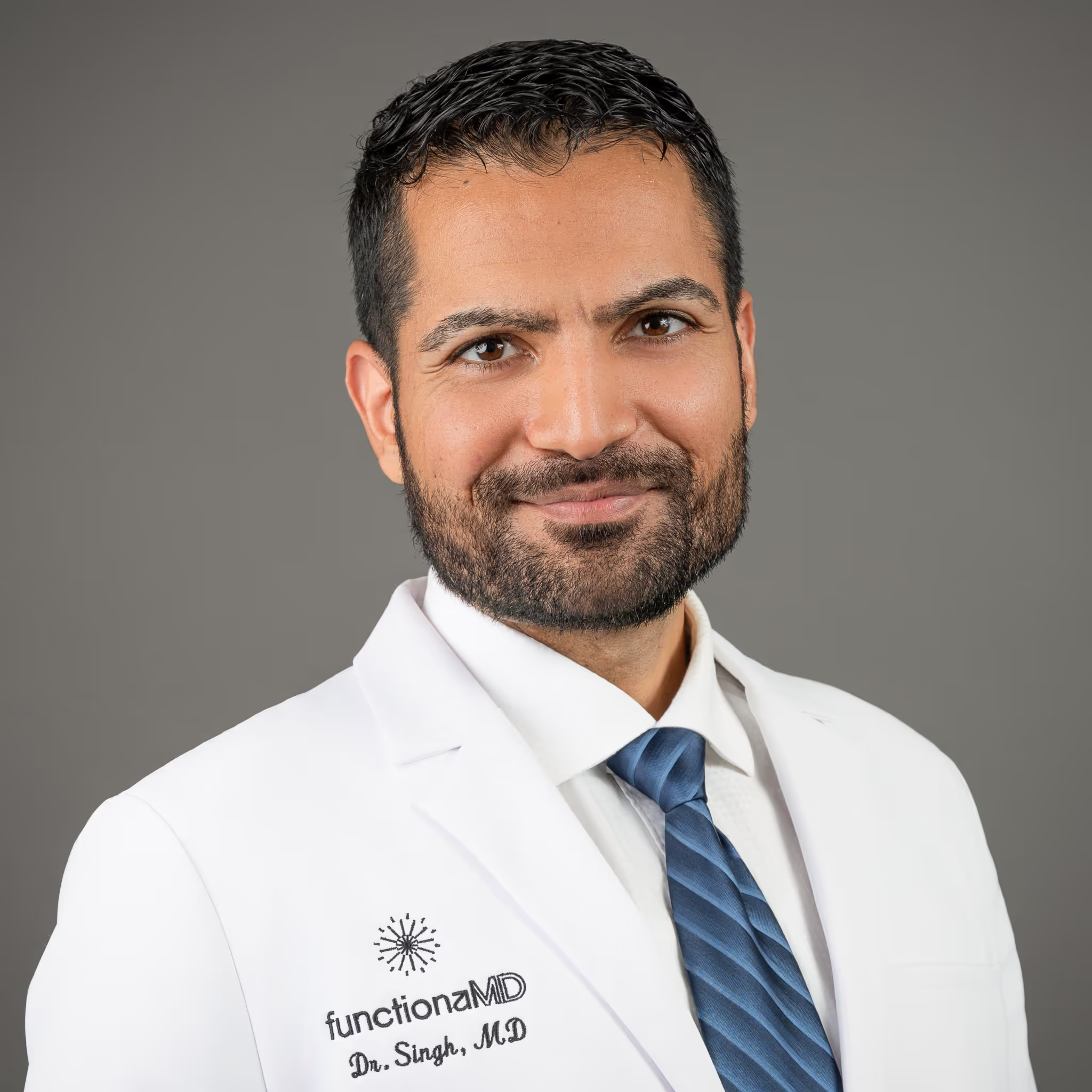
Dr. Simranjit Singh, MD, FACP, DABOM, IFM-CP, is a board-certified physician in Internal Medicine and Obesity Medicine and Founder of The Functional MDs Clinic in Carmel, Indiana. He has authored more than 30 peer-reviewed publications and internationally recognized clinical guidelines. Through Ask Dr. Singh, he provides science-grounded, root-cause insights to help patients better understand and improve their health.
About Dr Singh, MDThe Functional MDs
The contents of this website, such as text, graphics, images, and other material contained on this website (“Content”) are for informational purposes only. The Content is not intended to be a substitute for professional medical advice, diagnosis, or treatment. Always seek the advice of your physician or other qualified health provider with any questions you may have regarding a medical condition. Never disregard professional medical advice or delay in seeking it because of something you have read on this website. Health-related information changes frequently and, therefore, the Content on this website may be outdated, incomplete or incorrect. We do not assume any liability for the information contained or referenced within this website and make no warranties, nor express or implied representations whatsoever regarding the accuracy, completeness, timeliness, or usefulness of any information contained or referenced in this website. Results vary from patient to patient. No prescriptions or treatments will be given unless a clinical need exists based on an examination by the physician. Any review or other material that could be regarded as a testimonial or endorsement does not constitute a guarantee, warranty, or prediction regarding the outcome of any consultation. The testimonials on this website represent the anecdotal experience of individual consumers. Use of this website is subject to our Terms & Conditions and Privacy Policy.
© 2026 The Functional MDs Clinic. All rights reserved.