We are at capacity for Functional Medicine. Join the waitlist. Concierge Primary Care is now enrolling.

Cellular health is one of the most important and most overlooked foundations of wellness. You can think of your cells as the operating system of the body, because every organ, hormone, muscle, nerve, and immune pathway depends on healthy cells to function well. When cells are under stress, everything else can feel harder, from energy and focus to digestion, recovery, and resilience.At The Functional MDs, our approach as cellular health doctors is designed to look deeper than symptoms alone. We focus on what is happening at the level of cell membranes, mitochondria, detoxification, nutrient delivery, oxidative stress, and signaling, so we can better understand why you feel the way you do. This is where personalized functional care can make a meaningful difference.
When we talk about cellular health, we are referring to how well your cells communicate, produce energy, protect themselves, and remove waste. Healthy cells need flexible cell membranes, strong mitochondrial function, balanced nutrient status, and efficient detox pathways to do their jobs properly. If any part of that system is underperforming, the body often compensates for a while before symptoms become noticeable.
Cell membranes act like gatekeepers. They help control what gets in and out of the cell, including nutrients, hormones, and waste products. Mitochondria are often called the powerhouses of the cell because they help create ATP, the body’s main energy currency. In functional medicine, we also pay attention to cellular communication and bioenergetics, which includes how cells respond to stress, inflammation, and environmental inputs.


Mitochondria do far more than simply make energy. They influence metabolic efficiency, recovery, detoxification, and even how the body responds to stress. ATP production is especially important because it powers nearly every process in the body, from muscle contraction to brain signaling to immune activity. When ATP production is inefficient, people may notice that even simple tasks require more effort than they should.
Some patients also resonate with the idea of cellular signaling and frequencies, which is to be the way cells respond to biochemical and environmental information. While the science is still evolving in this area, the practical takeaway is simple: cells are constantly listening to the body’s internal environment. The better that environment is supported, the better the body can adapt and function.

Poor cellular health does not always show up as one obvious symptom. More often, it appears as a pattern of low energy, slower recovery, or a general sense that the body is not performing the way it used to. Some people feel tired no matter how much they sleep, while others notice brain fog, poor exercise tolerance, or a loss of resilience during stress.
Common concerns linked with cellular dysfunction may include fatigue, muscle weakness, poor stamina, trouble concentrating, headaches, slow healing, and feeling inflamed or run down. Some patients also report increased sensitivity to foods, chemicals, or odors, as well as trouble bouncing back after illness. These symptoms are not specific to one diagnosis, which is why a broad functional assessment can be so helpful.
If your cells are not getting the fuel they need, the body has to conserve energy. That affects mood, sleep quality, metabolism, immune function, and even how well you tolerate daily demands. Over time, this feels like burnout, frustration, or the sense that something is being missed in conventional testing.
We often remind patients that low energy is not just about being tired. It may be a sign that your body needs a closer look at nutrient status, toxic burden, oxidative stress, and mitochondrial performance. The goal is not just to push through the fatigue but to understand what is contributing to it.

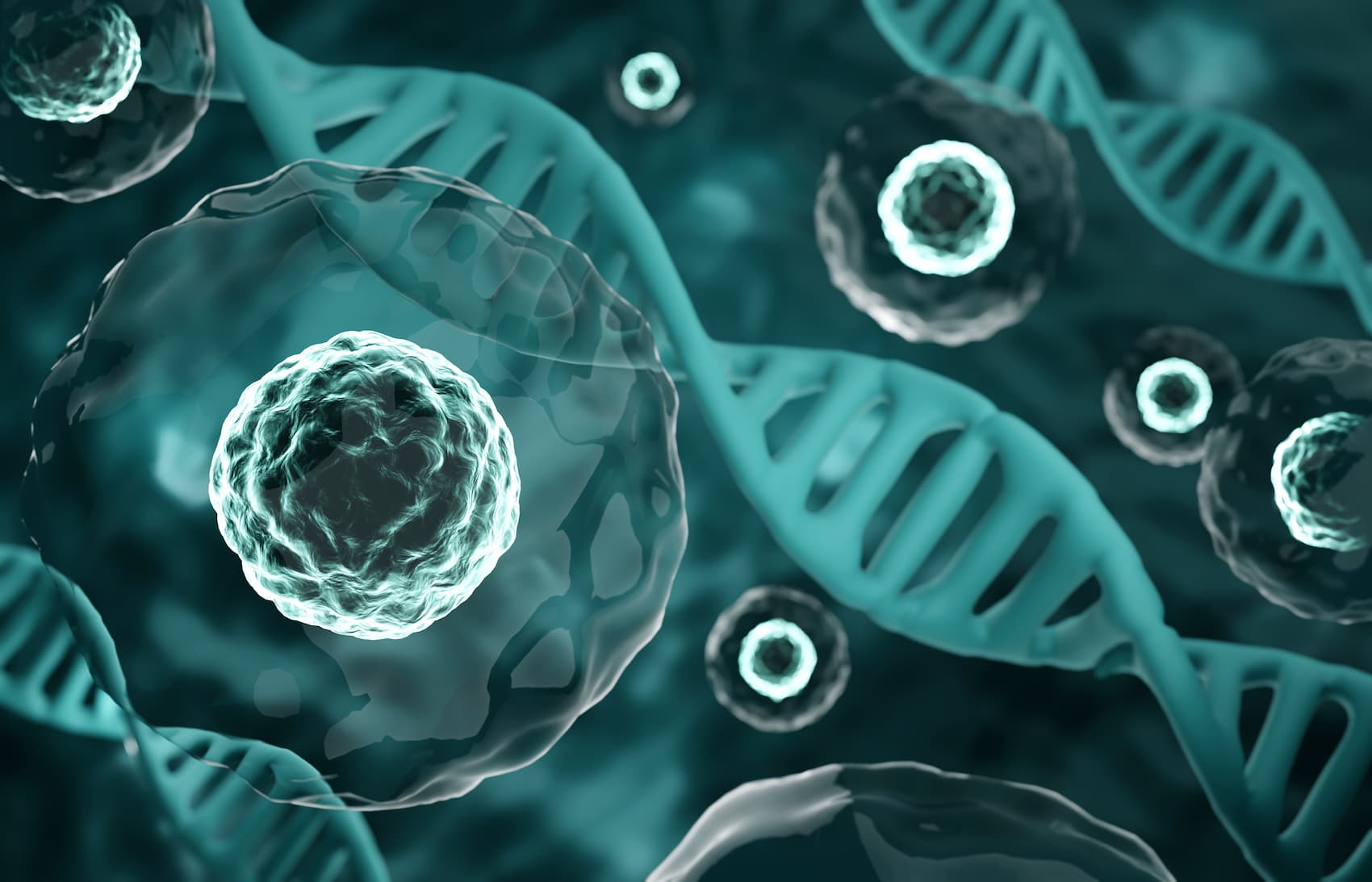
At The Functional MDs, our cellular health protocols are personalized to each patient’s symptoms, history, and goals. We may evaluate mitochondrial function and ATP production markers to better understand how efficiently your cells are making energy. We also assess oxidative stress and free radical load, since excess oxidative stress can damage cells and contribute to fatigue and inflammation.
Glutathione status and cellular antioxidant capacity are often important, because glutathione is one of the body’s key defenses against oxidative damage. We may also look at phase I and phase II liver detoxification pathways, bile flow, and the gut-liver axis, since these systems help process and remove waste products. Nutrient cofactors such as B vitamins, magnesium, carnitine, CoQ10, and amino acids are frequently considered because they help support energy production and repair.
For some patients, we also evaluate environmental toxin burden, including mold exposure, heavy metals, and solvents. Histamine sensitivity and neuroinflammatory signaling may be part of the picture as well, especially when symptoms include headaches, brain fog, flushing, or unexplained reactivity. When clinically relevant, we may also consider detox-related SNPs such as MTHFR, COMT, SOD2, GST, and UGT1A1 to better individualize care.

Support for cellular health often starts with foundational nutrition, because cells need the right inputs before they can function well. That may include protein, healthy fats, micronutrient repletion, hydration, and blood sugar support. In a functional medicine setting, we may also recommend targeted supplements, peptides, or IV therapy when appropriate to help restore cellular resources more directly.
We also look at the body’s stress load, because chronic stress can increase demand on cellular systems and reduce recovery. If toxins, infections, or inflammation are interfering with energy production, we want to address those contributors thoughtfully. The goal is always to support the body in a way that is practical, personalized, and sustainable.
1. What is cellular health?


2. Why is cellular health important?
3. What symptoms can happen when cellular health is poor?
4. How do you test for cellular health concerns?
5. Can toxins affect cellular health?
6. Does cellular health matter if I have hormone or gut symptoms?
7. What treatments may support cellular health?
8. How do I know if this approach is right for me?
The Functional MDs offer physician-led functional medicine care through secure telehealth, delivering the same root-cause, personalized approach as in-office care.
Indiana - Texas - Washington - Illinois - Pennsylvania - Ohio - Michigan - Kentucky

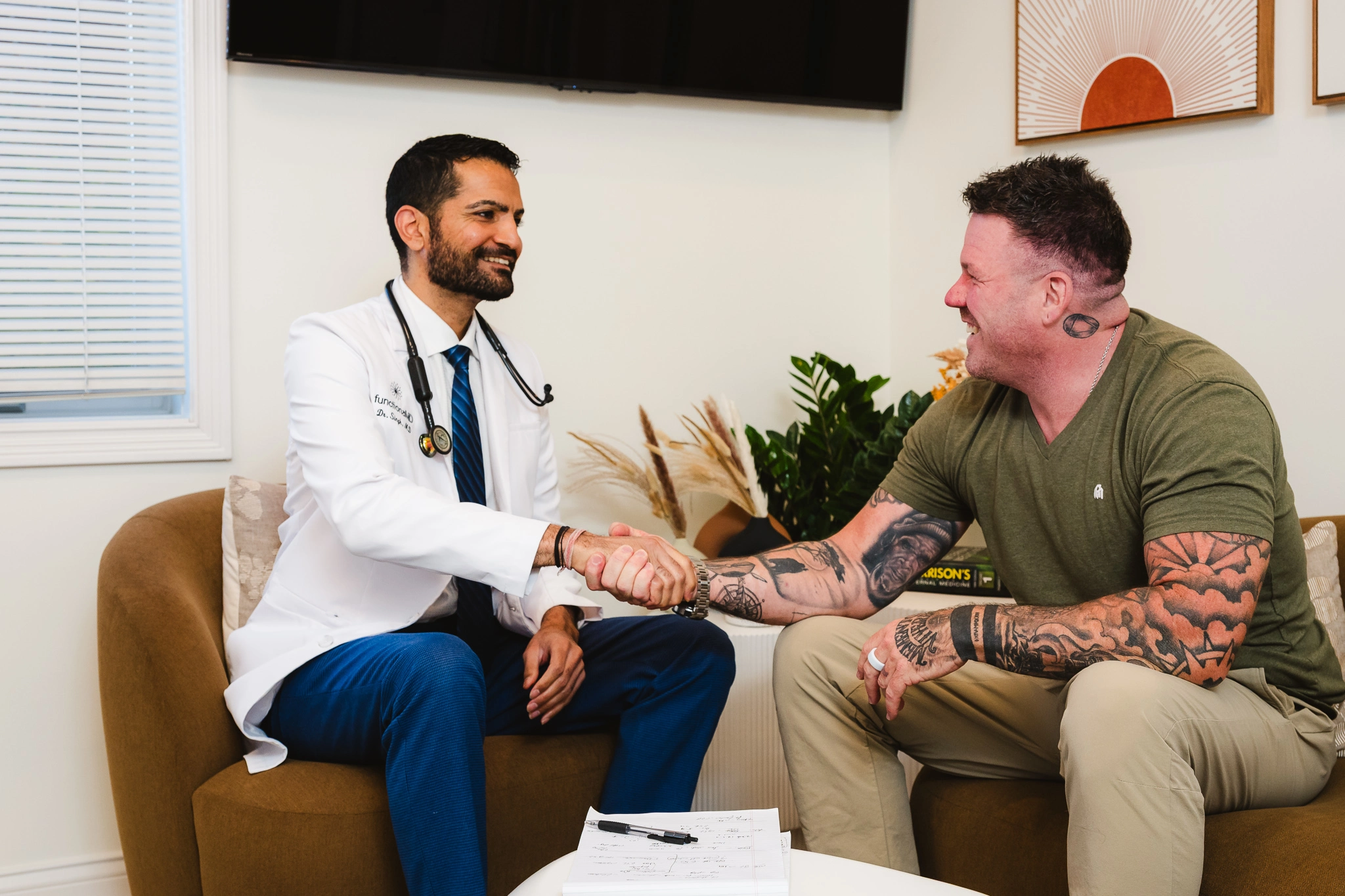
Our team brings a wealth of expertise in functional medicine, specializing in uncovering and addressing the underlying factors contributing to health issues.
With a focus on personalized wellness plans, informed by extensive training and experience, our team is dedicated to guiding patients towards sustainable health and vitality.
We’re a team of health fanatics, brought together by one mission; Human Well-Being.

Hormone Optimization (Thyroid, Adrenal & HRT)


Bioidentical hormone therapy for full-spectrum balance.

Mold, Heavy Metals, and Environmental Toxins
Treat hidden toxic exposures like mold and heavy metals.


"Your body is always speaking: symptoms are just the language. The real question is, are we listening?"
The Functional MDs
The contents of this website, such as text, graphics, images, and other material contained on this website (“Content”) are for informational purposes only. The Content is not intended to be a substitute for professional medical advice, diagnosis, or treatment. Always seek the advice of your physician or other qualified health provider with any questions you may have regarding a medical condition. Never disregard professional medical advice or delay in seeking it because of something you have read on this website. Health-related information changes frequently and, therefore, the Content on this website may be outdated, incomplete or incorrect. We do not assume any liability for the information contained or referenced within this website and make no warranties, nor express or implied representations whatsoever regarding the accuracy, completeness, timeliness, or usefulness of any information contained or referenced in this website. Results vary from patient to patient. No prescriptions or treatments will be given unless a clinical need exists based on an examination by the physician. Any review or other material that could be regarded as a testimonial or endorsement does not constitute a guarantee, warranty, or prediction regarding the outcome of any consultation. The testimonials on this website represent the anecdotal experience of individual consumers. Use of this website is subject to our Terms & Conditions and Privacy Policy.
© 2026 The Functional MDs Clinic. All rights reserved.