1. Nutrition strategies that support healing


2. Targeted supplementation
3. Phased food elimination and reintroduction
4. Support for detox, motility, and gut-brain signaling
5. Ongoing oversight and coaching integration

Many people live with digestive symptoms for years before seeking help. They may adjust their diet, take over-the-counter remedies, or simply learn to work around discomfort, but that does not mean the issue is resolved. When symptoms happen again and again, it often suggests that the gut lining, microbial balance, digestion, or immune response needs more support.
Gut health also becomes more challenging with age. As you move through your 40s and 50s, stress, hormonal shifts, medications, and cumulative dietary patterns all affect how well your digestive system functions. Without intervention, those changes may lead to more frequent symptoms, reduced nutrient absorption, and more food reactivity over time.

Chronic gut issues do not always look the same from person to person. Some people feel bloated after nearly every meal, while others notice constipation, loose stools, or unpredictable digestion. In many cases, symptoms extend beyond the digestive tract and affect energy, skin, concentration, and overall well-being.
Common symptoms associated with ongoing gut imbalance include:
Bloating, gas, and abdominal discomfort
Reflux or frequent indigestion
Constipation or diarrhea
Food sensitivities or heightened reactions to meals
Fatigue and brain fog
Skin flare-ups such as acne, rashes, or irritation
Hormone imbalance or cycle-related changes
When multiple symptoms show up together, it is often a sign that the issue is not just a stomach problem. The gut plays a role in immunity, inflammation, nutrient absorption, detoxification, and communication with the brain, which is why a broader approach is often needed.
1. Nutrition strategies that support healing
2. Targeted supplementation
3. Phased food elimination and reintroduction
4. Support for detox, motility, and gut-brain signaling
5. Ongoing oversight and coaching integration
No. When you work with The Functional MDs in Carmel, you receive one-on-one care from a double board-certified doctor. That means your care is guided by advanced medical training, clinical judgment, and a precision medicine approach that looks beyond surface-level symptoms. We are not offering a basic wellness program or a generic reset. We are focused on medically informed, personalized care for people who want a deeper solution.
This matters because persistent gut problems often involve more than diet alone. Factors such as stress, inflammation, microbiome changes, medication history, hormone shifts, and immune reactivity can all influence how the gut behaves. A comprehensive approach gives us a better chance of helping you move in the right direction.
Our goal is to help you feel better in daily life, not just see a number on a lab result. As your gut function improves, many patients hope to experience less bloating, cramping, and digestive discomfort. They may also notice more predictable bowel habits, fewer food reactions, and better tolerance after meals.
Other meaningful goals may include improved nutrient absorption, steadier energy, stronger immune function, clearer thinking, and better mood stability. While every person’s path is different, the overall aim is to help you feel more consistent and more comfortable in your body.

1. How do I know if my gut symptoms are chronic?
2. Will I have to eliminate many foods forever?
3. Do gut issues affect energy and brain fog?
4. Is functional medicine appropriate if I have already tried other treatments?
5. How long does it take to feel better?
6. Do you offer gut health care in Carmel?
Chronic fatigue can significantly reduce quality of life, affecting physical stamina, cognitive function, mood, metabolism, and daily performance. At The Functional MDs, our double board-certified physicians offer a comprehensive and medically supervised approach to uncover the underlying causes of persistent fatigue and restore optimal cellular health, energy, and resilience.
Chronic fatigue occurs when the body’s energy systems become impaired due to physiological stressors such as mitochondrial dysfunction, hormonal imbalances, chronic infections, nutrient deficiencies, toxin exposure, immune dysregulation, inflammation, or metabolic disturbances.
While traditional approaches often treat fatigue as a symptom, our root-cause method looks deeper, evaluating the biological systems responsible for energy production, cellular repair, neurological signaling, and metabolic balance. This allows us to create precise, targeted plans that support true recovery.
.avif)
The Functional MDs offer physician-led functional medicine care through secure telehealth, delivering the same root-cause, personalized approach as in-office care.
Indiana - Texas - Washington - Illinois - Pennsylvania - Ohio - Michigan - Kentucky
.avif)
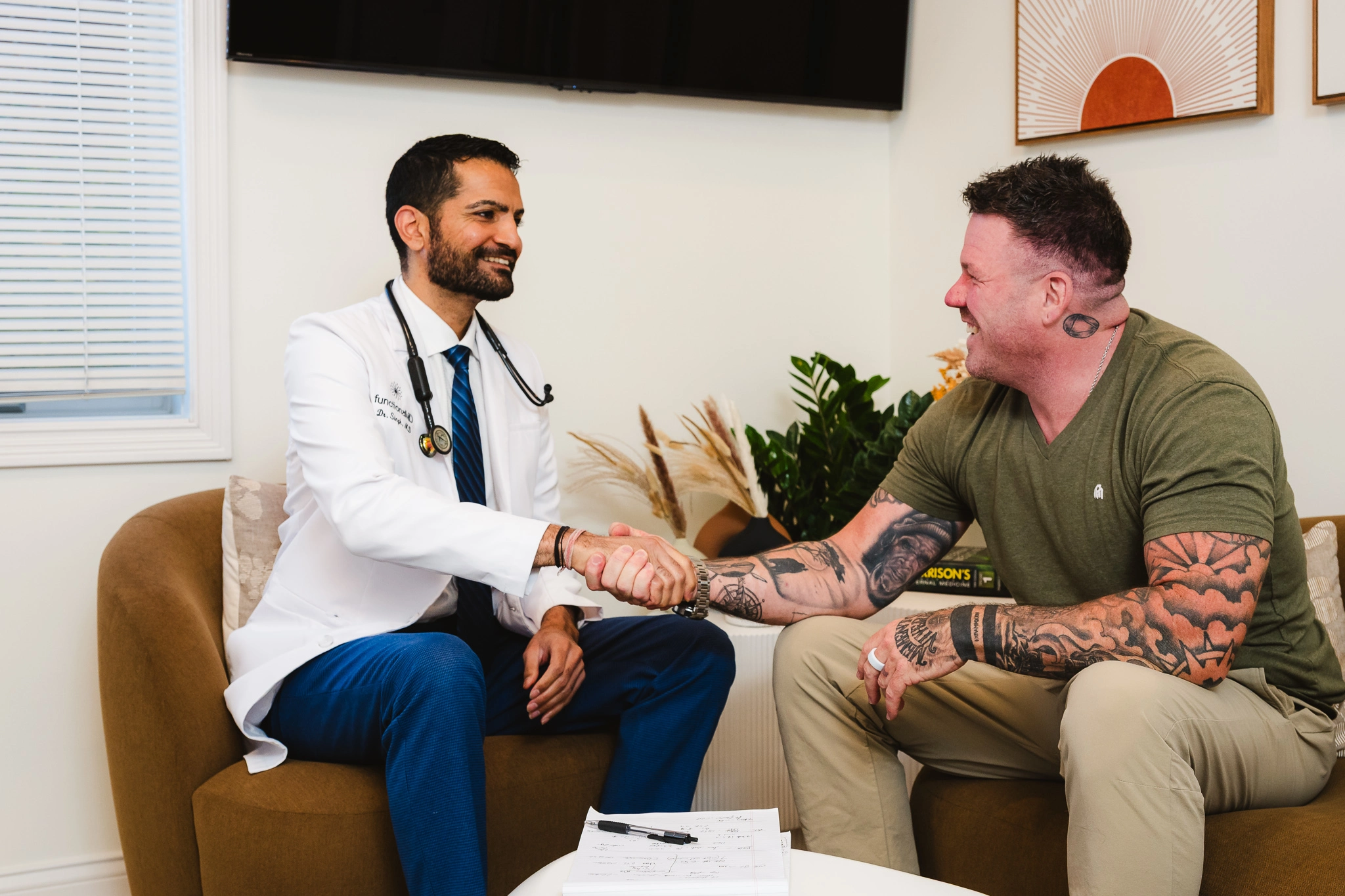
Our team brings a wealth of expertise in functional medicine, specializing in uncovering and addressing the underlying factors contributing to health issues.
With a focus on personalized wellness plans, informed by extensive training and experience, our team is dedicated to guiding patients towards sustainable health and vitality.
We’re a team of health fanatics, brought together by one mission; Human Well-Being.

Hormone Optimization (Thyroid, Adrenal & HRT)


Bioidentical hormone therapy for full-spectrum balance.

Mold, Heavy Metals, and Environmental Toxins
Treat hidden toxic exposures like mold and heavy metals.


"Your body is always speaking: symptoms are just the language. The real question is, are we listening?"
The Functional MDs
The contents of this website, such as text, graphics, images, and other material contained on this website (“Content”) are for informational purposes only. The Content is not intended to be a substitute for professional medical advice, diagnosis, or treatment. Always seek the advice of your physician or other qualified health provider with any questions you may have regarding a medical condition. Never disregard professional medical advice or delay in seeking it because of something you have read on this website. Health-related information changes frequently and, therefore, the Content on this website may be outdated, incomplete or incorrect. We do not assume any liability for the information contained or referenced within this website and make no warranties, nor express or implied representations whatsoever regarding the accuracy, completeness, timeliness, or usefulness of any information contained or referenced in this website. Results vary from patient to patient. No prescriptions or treatments will be given unless a clinical need exists based on an examination by the physician. Any review or other material that could be regarded as a testimonial or endorsement does not constitute a guarantee, warranty, or prediction regarding the outcome of any consultation. The testimonials on this website represent the anecdotal experience of individual consumers. Use of this website is subject to our Terms & Conditions and Privacy Policy.
© 2026 The Functional MDs Clinic. All rights reserved.