We are at capacity for Functional Medicine. Join the waitlist. Concierge Primary Care is now enrolling.


Back to blog page
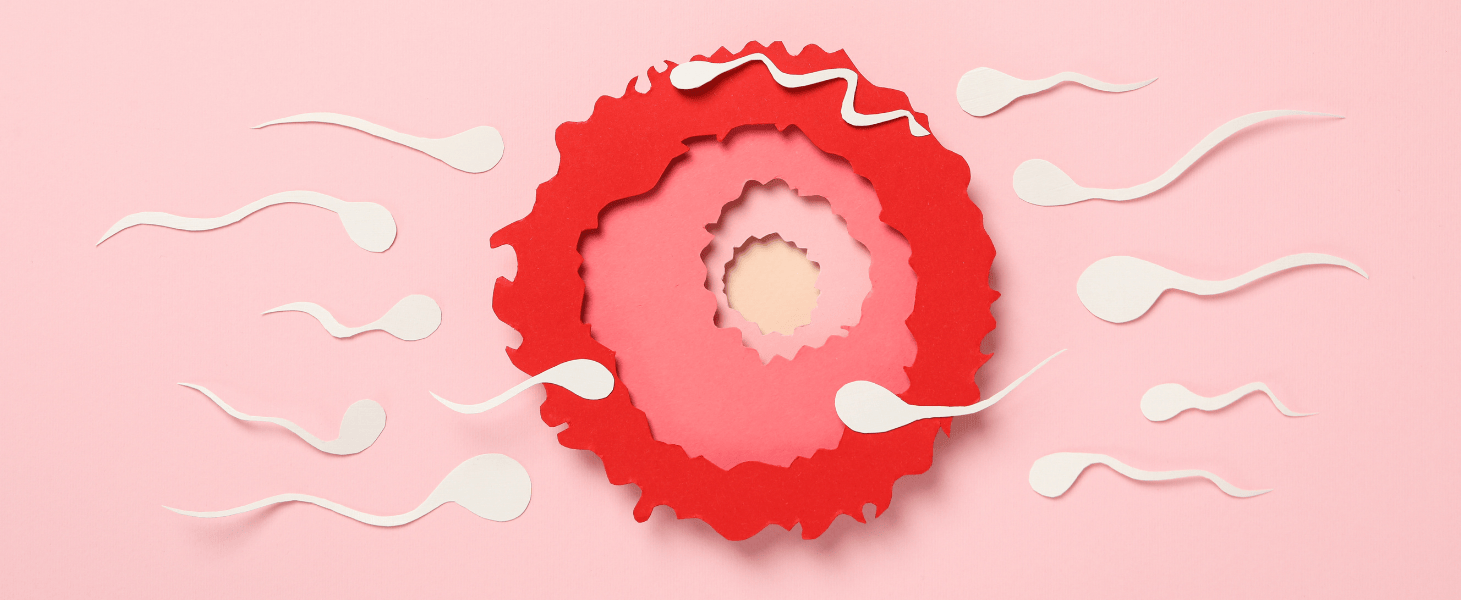
When couples are trying to conceive, attention often turns to ovulation and female hormones. But sperm health is just as important , and one key factor is sperm morphology, or the shape and structure of sperm cells.
If you’ve recently been told your morphology is low, it can feel overwhelming. The reassuring part is this: sperm regenerate roughly every 70–90 days. That means the choices you make now can influence sperm quality in just a few months.
Let’s break down what sperm morphology really means, and what you can do naturally to support improvement.
Sperm morphology refers to how sperm look under a microscope. Specialists examine whether the head, midpiece, and tail are formed correctly.
A healthy sperm typically has an oval head, an intact midsection, and a long tail that allows it to swim efficiently. When sperm are misshapen, such as having irregular heads or short tails, they may struggle to reach or penetrate the egg.
It’s important to know that not all sperm need to be perfectly shaped for conception to occur. In fact, a percentage of abnormal forms is completely normal. Problems arise when the proportion of abnormal sperm is significantly elevated.
Sperm face a long journey to reach the egg. Proper structure supports forward movement and protects the genetic material carried inside the head of the sperm.
Poor morphology may reduce fertilization rates and can sometimes be associated with low motility or low sperm count. However, morphology is only one piece of the fertility puzzle. Many men with suboptimal morphology still achieve pregnancy , especially when overall health improves.
Because sperm are constantly being produced, lifestyle changes can directly influence future sperm development.
You might also be interested in Hormone Therapy for Men: Testosterone, Energy, and Longevity
Sperm health reflects overall health. The body prioritizes survival before reproduction, so when stress, inflammation, or poor nutrition are present, sperm quality may suffer.
Developing sperm cells are highly sensitive to oxidative stress , damage caused by unstable molecules known as free radicals. A diet rich in antioxidants helps protect sperm during development.
Focus on whole, unprocessed foods. Colorful fruits and vegetables provide protective nutrients. Healthy fats from olive oil, nuts, and avocados support hormone production. Lean proteins supply the amino acids needed for cellular repair.
Minerals like zinc and selenium play a direct role in sperm production and structure. Folate supports proper DNA formation inside sperm cells. Instead of chasing individual nutrients, aim for a varied, nutrient-dense diet that supports overall metabolic health.
Reducing processed foods, excess sugar, and inflammatory fats can also make a measurable difference over time.
Regular exercise improves circulation, supports healthy testosterone levels, and helps regulate weight, all factors that influence sperm morphology.
Moderate, consistent movement tends to be more beneficial than intense overtraining. Walking, strength training, swimming, or cycling several times per week can improve metabolic health and reduce inflammation.
Excess body fat, particularly around the abdomen, has been linked to hormonal imbalance and impaired sperm production. Even modest weight improvements can positively influence sperm quality.
Modern life exposes us to substances that may quietly affect reproductive health.
Plastics, pesticides, heavy metals, and industrial chemicals can disrupt hormone signaling and contribute to oxidative stress. Reducing exposure where possible, such as using glass food containers, filtering water, and minimizing processed products , helps lower overall toxic burden.
Smoking introduces toxins that directly damage sperm DNA and increase abnormal forms. Excess alcohol disrupts hormone balance and may impair sperm development. Recreational drug use can also negatively affect morphology and motility.
Improving sperm health often starts with removing what harms it.
Chronic stress elevates cortisol, a hormone that can interfere with testosterone production and sperm development. Emotional strain during fertility challenges can unintentionally compound the issue.
Incorporating simple stress-management strategies, such as breathwork, meditation, regular sleep, and open communication with your partner, supports both hormonal balance and overall well-being.
Fertility is not just physical. Mental health plays a meaningful role.
Certain supplements may provide additional support, especially when oxidative stress is present. Antioxidants such as vitamin C, vitamin E, CoQ10, zinc, and selenium are commonly used to support sperm health.
Some herbal options like ashwagandha, maca root, and ginseng have shown potential benefits in male reproductive health. However, supplements should never replace foundational lifestyle improvements. It’s always wise to consult a healthcare provider before starting any new regimen.
If pregnancy has not occurred after 12 months of trying (or 6 months if over age 35), a professional evaluation is recommended. A semen analysis can assess morphology along with count and motility.
Underlying conditions such as hormonal imbalance, metabolic dysfunction, varicocele, or chronic inflammation may need targeted treatment. Natural approaches work best when combined with proper medical guidance.
READ: How to Boost Fertility in Your 30s Naturally
Improving sperm morphology naturally is rarely about one dramatic intervention. It’s about consistently supporting your body in the ways it was designed to function.
Better nutrition.
Steady movement.
Lower stress.
Reduced toxin exposure.
Healthier daily habits.
Because sperm regenerate every few months, progress is possible. Many men see measurable improvements within one to two sperm cycles after implementing consistent changes.
If you’re on a fertility journey, remember: sperm health reflects whole-body health. And every positive step you take supports not just fertility, but long-term vitality as well.
Because sperm regenerate approximately every 70–90 days, improvements may be seen within three months of consistent lifestyle changes. Significant results often require sustained habits over several months.
In many cases, yes. If poor morphology is related to lifestyle factors such as oxidative stress, obesity, smoking, or nutrient deficiencies, targeted changes can improve sperm structure over time.
No. Morphology is only one component of a semen analysis. Count, motility, and overall reproductive health also play critical roles. Many couples conceive even when morphology is below optimal ranges.
Not always. Diet, exercise, and reducing harmful exposures are foundational. Supplements may provide additional support but should complement, not replace, lifestyle improvements.
If you and your partner have been trying to conceive for a year without success, or if you have known reproductive health concerns, consulting a healthcare provider or fertility specialist is recommended.
The Functional MDs
The contents of this website, such as text, graphics, images, and other material contained on this website (“Content”) are for informational purposes only. The Content is not intended to be a substitute for professional medical advice, diagnosis, or treatment. Always seek the advice of your physician or other qualified health provider with any questions you may have regarding a medical condition. Never disregard professional medical advice or delay in seeking it because of something you have read on this website. Health-related information changes frequently and, therefore, the Content on this website may be outdated, incomplete or incorrect. We do not assume any liability for the information contained or referenced within this website and make no warranties, nor express or implied representations whatsoever regarding the accuracy, completeness, timeliness, or usefulness of any information contained or referenced in this website. Results vary from patient to patient. No prescriptions or treatments will be given unless a clinical need exists based on an examination by the physician. Any review or other material that could be regarded as a testimonial or endorsement does not constitute a guarantee, warranty, or prediction regarding the outcome of any consultation. The testimonials on this website represent the anecdotal experience of individual consumers. Use of this website is subject to our Terms & Conditions and Privacy Policy.
© 2026 The Functional MDs Clinic. All rights reserved.